Work
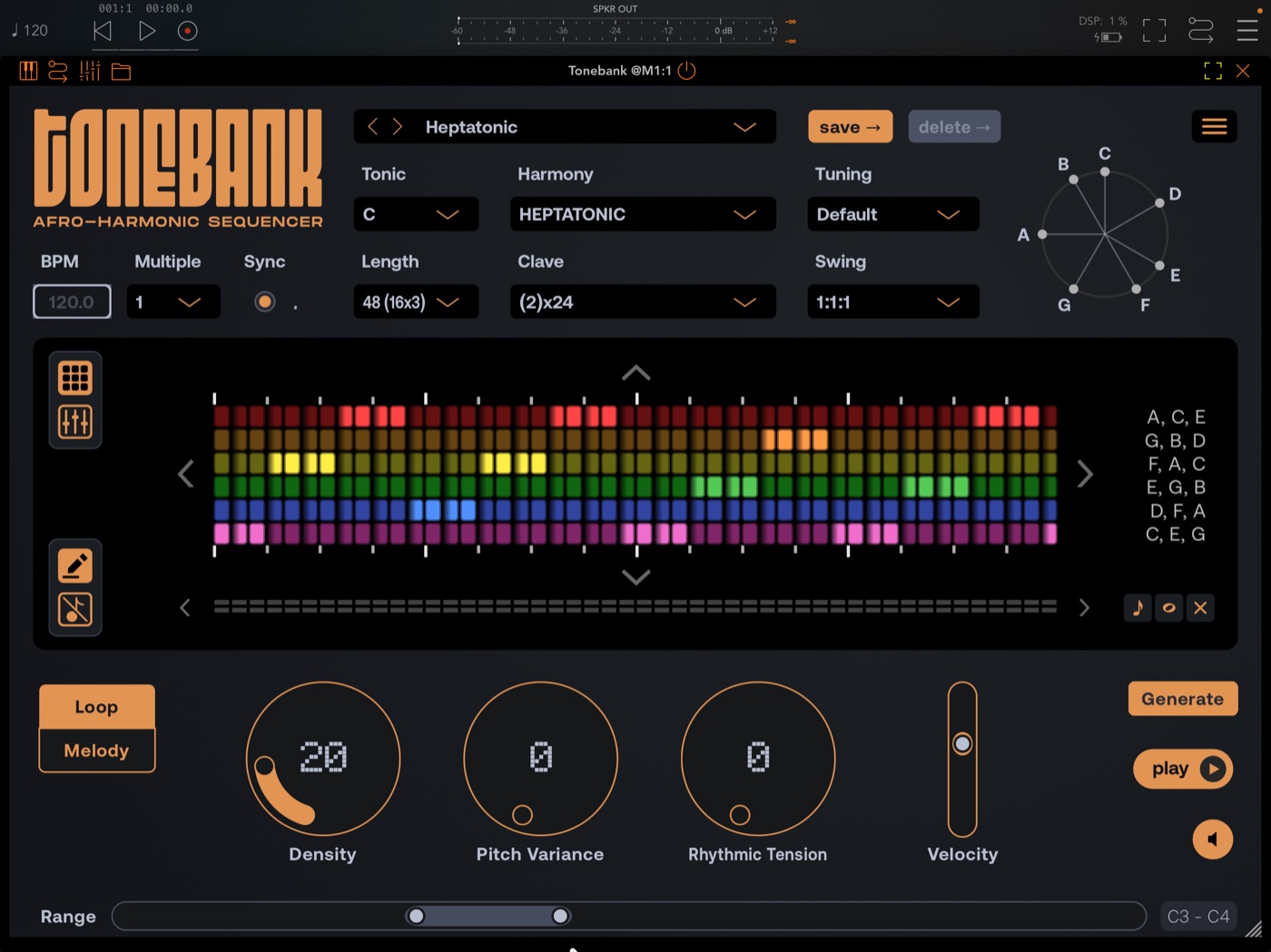
Tonebank is a very unique MIDI sequencer, in that it originated in practical music-making. It was developed in collaboration with Barak Schmool, who studied with diasporic African communities in London, and has a PhD in African influences in jazz. I had practical classes with him at Trinity Laban, and also played in his Brazilian-percussion band for many years.
The MVP was about generating loops and phrases based on specific African musical traditions — crucially, modelling systems where the harmonic change doesn’t happen on bars, half-bars, etc., but where it’s related to the “bell pattern”, which we express as groups of 2 and 3 subdivisions. This results in naturally-syncopated structures — often there is no sound on the beat, which is what makes the body move.
MIDI sequencers are not traditionally like that — they come from a tradition of even grids, metronomic time and mechanistic divisions. Our paradigm was to look closely at the physicality of the expression that we’re familiar with, and to give tools which open that world to the electronic musician — making the acoustic, old, embodied traditions something valuable, treasured and foundational.
My role was a dual one — communicating between Barak and Adam, the programmer at Node Audio. I was responsible for encoding the musical part of the plugin, proposing UI/UX solutions which bridge the two concepts, testing the plugin on various DAWs, designing the manual, and making sure the naming conventions are consistent (especially musical terminology vs coding terminology).
The decision to honour the roots of the project is reflected in the tagline “Afro-Harmonic Sequencer”. We took great care to name our sources and give credit in the manual — specific traditions, where our knowledge comes from, the fact that we didn’t grow up in those traditions but that we have a passion for it: situating ourselves, and being open about where the knowledge we are passing comes from.
Queer at Heart LGBTQIA+ vocal groupFounder & artistic director · Porto, 2023–present
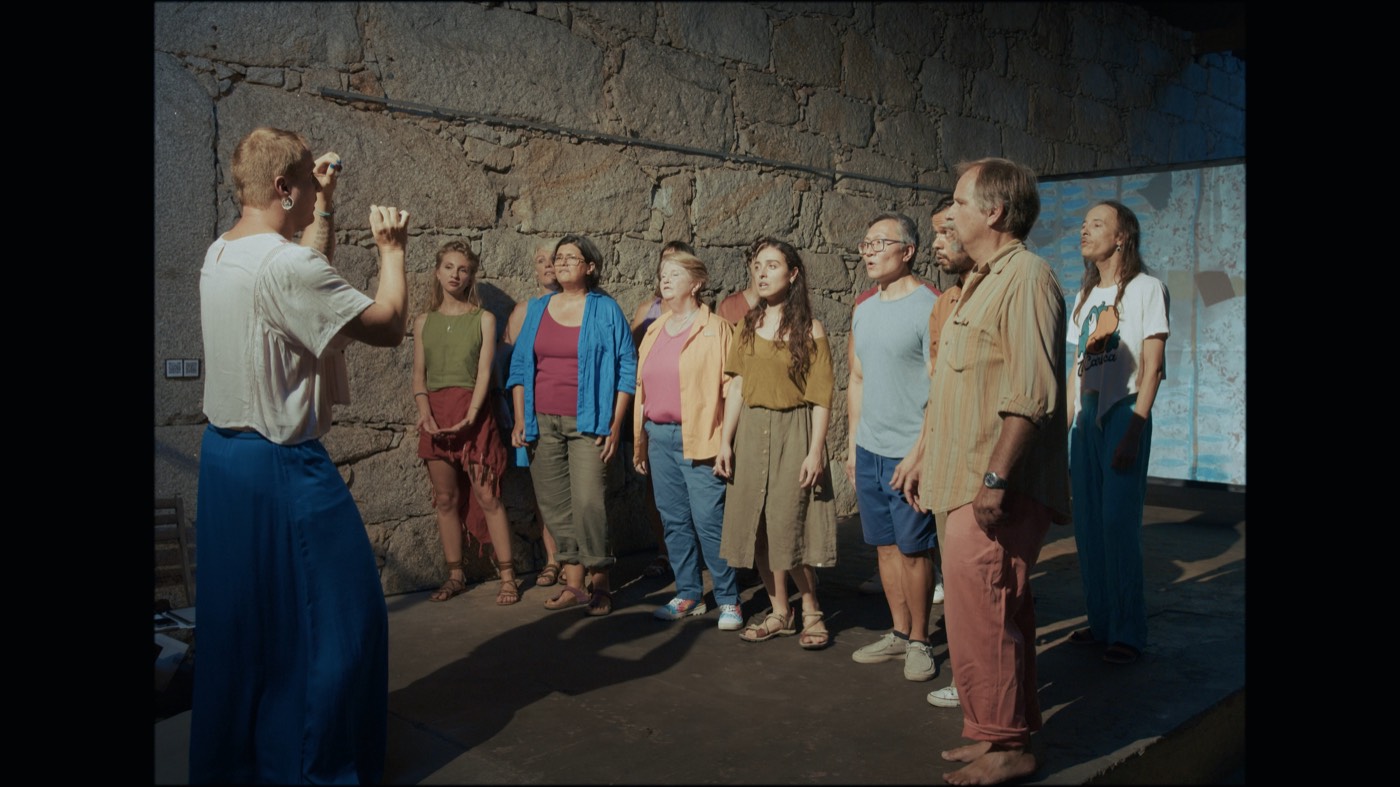
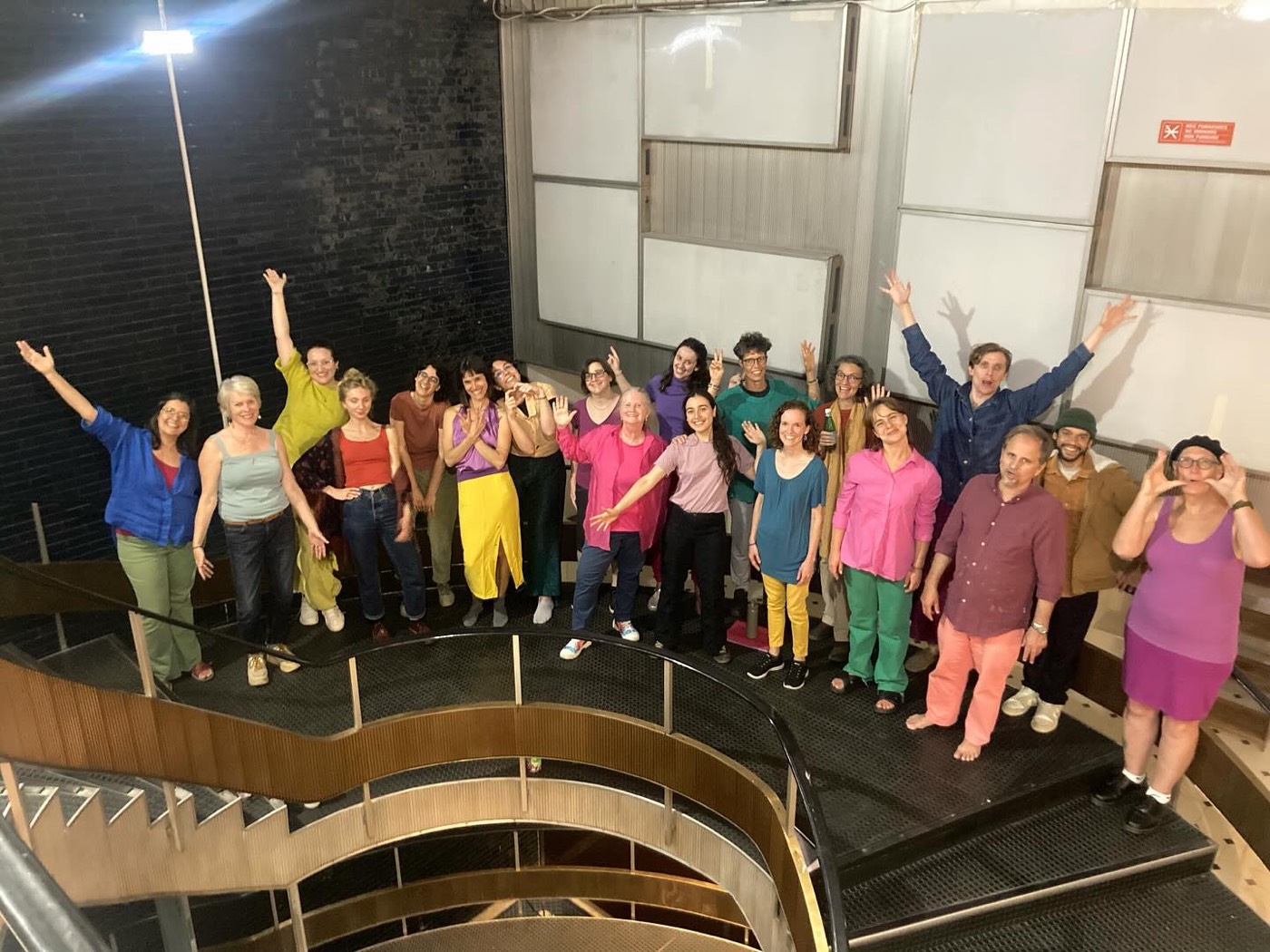
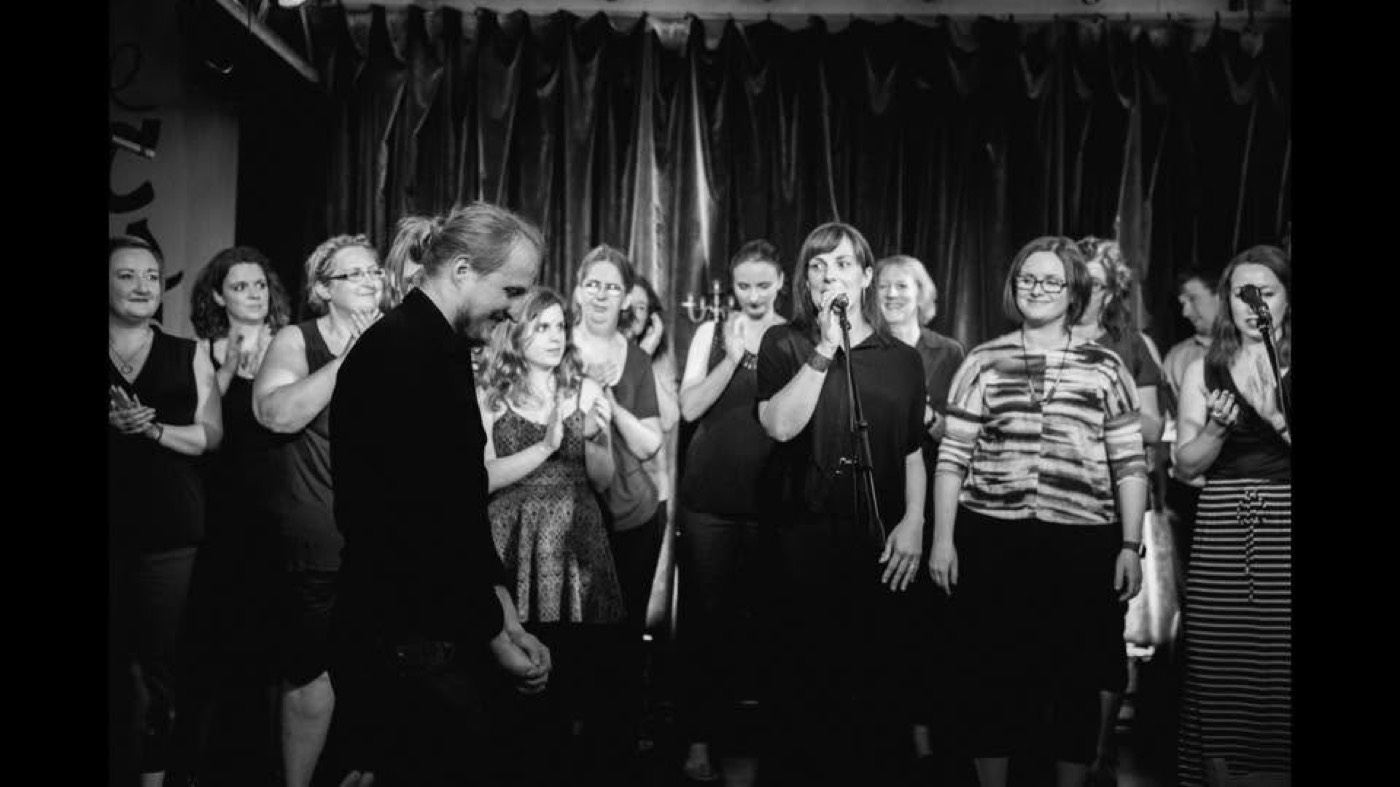
Queer at Heart is a vocal group for LGBTQIA+ people and allies, founded in Porto in 2023. We sing original arrangements (written by me) of songs in English, Portuguese and other languages, and members choose the repertoire by voting.
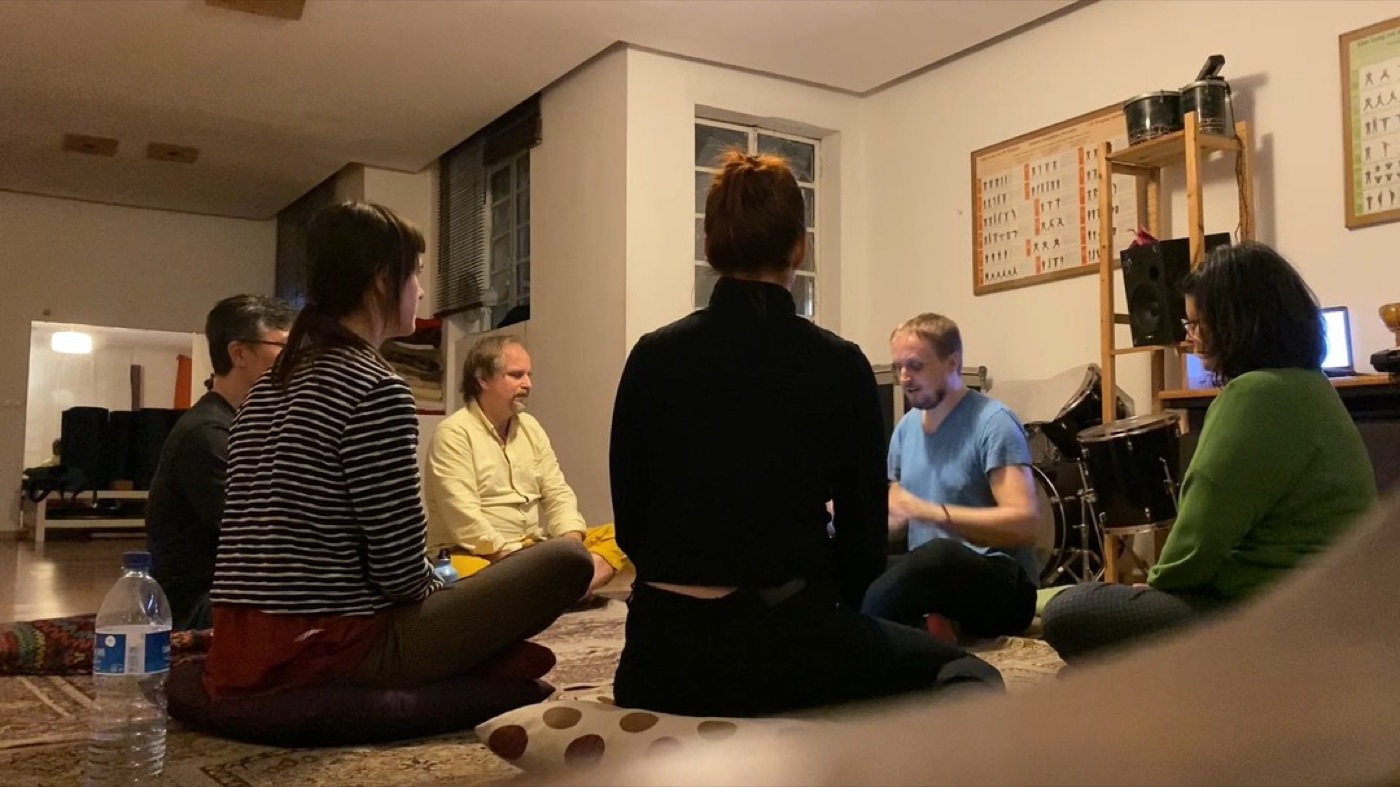
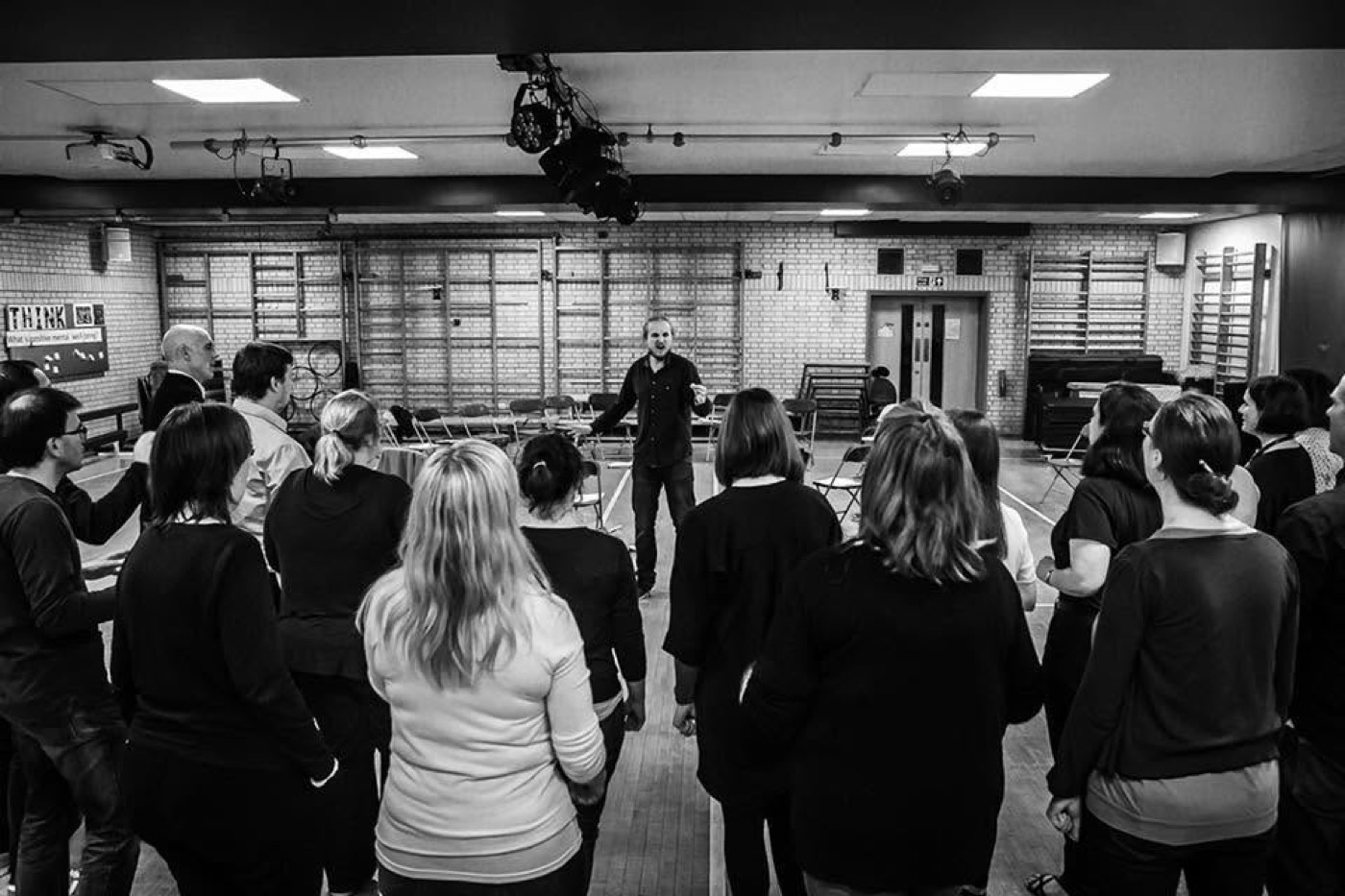
The way I run it is my own — shaped by what I did and didn’t find in the groups I’ve sung in over the years. I take care to give individual feedback to everyone, and always address people by name. Alongside the singing, I teach rhythmic coordination and use elements of improvised theatre and dance as well as technical musical work — Kodály solfège, konnakol, polyrhythmic clapping games. My teaching methods are eclectic, inspired not only by classical music but also jazz, gospel and other vocal traditions.
A rehearsal runs as a tiered evening: a remedial half-hour for people who have obvious trouble with intonation (sirens, repeating pitch, a bit of singing psychology); an hour for beginners, who bring the songs they’re learning and work towards taking part in performances; an hour of general musicianship — coordination, solfège, circle-song games; and an hour of repertoire, where newer members listen and then study the recordings at home. We don’t treat “soprano” or “tenor” as a gendered expectation — just as a range reference.
We also host art-sharing events, where members can express themselves through any medium — singing a song, reading a poem, making a sketch, leading a circle dance, making sculptures, even cooking. It’s essential that members develop an awareness of their body, and learn to take initiative and feel safe enough to share their subjectivities with each other. The focus is on unlearning silence, on empowerment, as well as musical development.
The Feel Book Jazz play-along appDeveloper · 2024–25 · thefeelbook.net
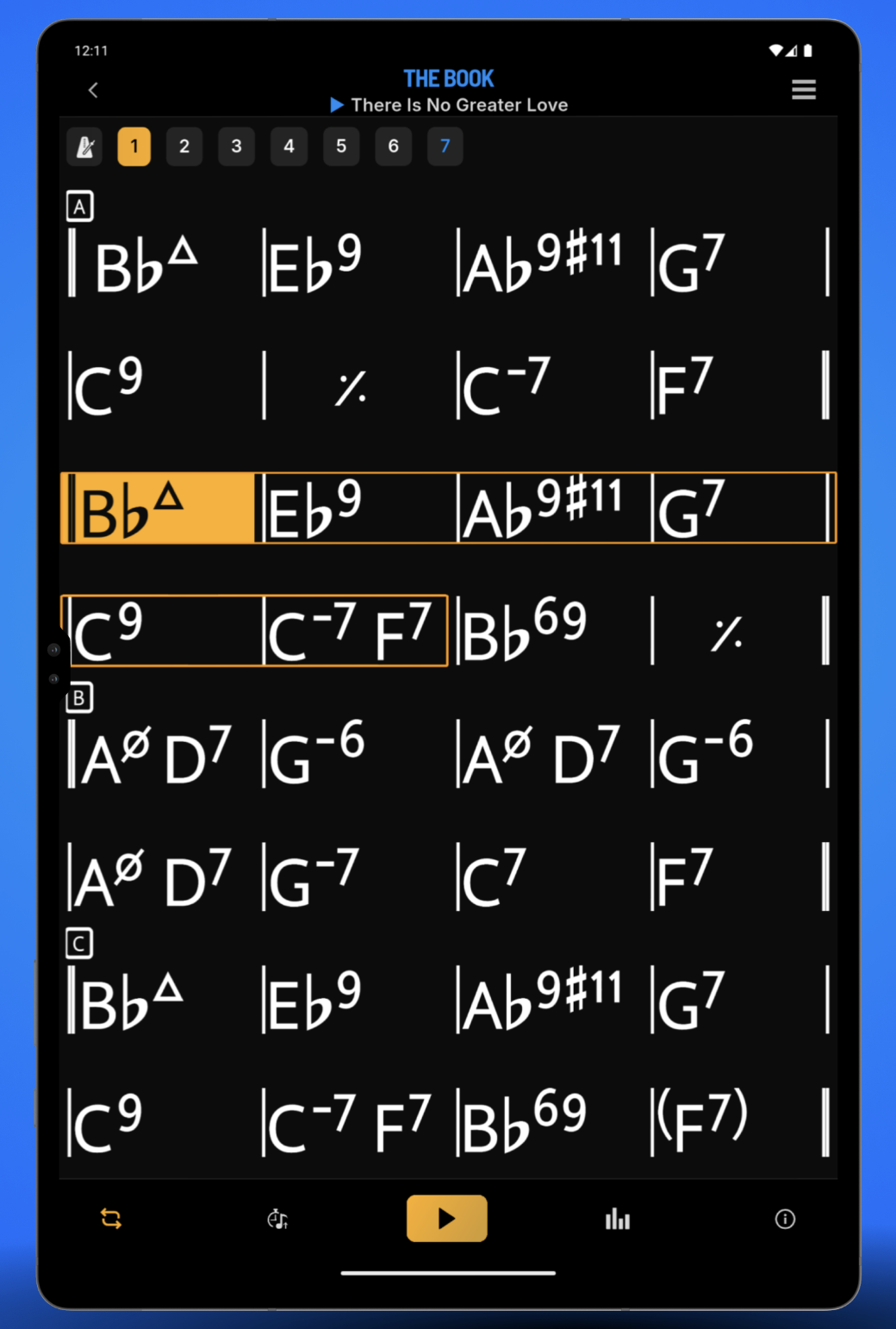
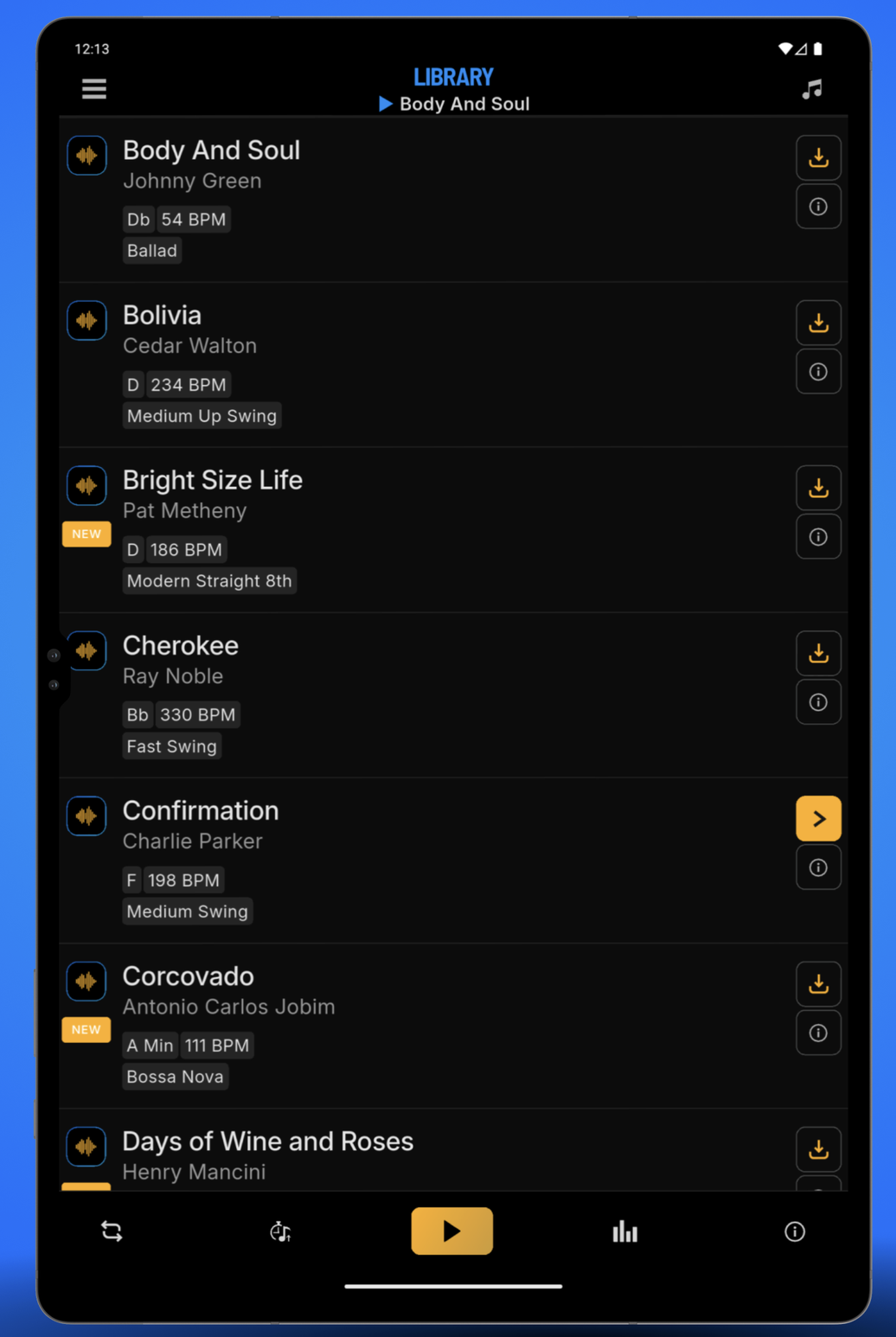
The Feel Book is a jazz play-along app: chord charts you can practise over, with rhythm-section tracks played by working jazz musicians — Ari Hoenig, Matt Brewer, Duduka Da Fonseca and others — rather than generated. I worked on it under contract with Node Audio, the same company behind Tonebank.
My part was the transposition engine and the notation — the code that draws the chart and spells the chord symbols. Transposition produces enharmonically correct spelling, so the same pitch is written as G♯ or A♭ according to context, and the symbols follow jazz notation conventions. The work is C++ and JUCE.
Pussy LeBouton Singer-songwriter
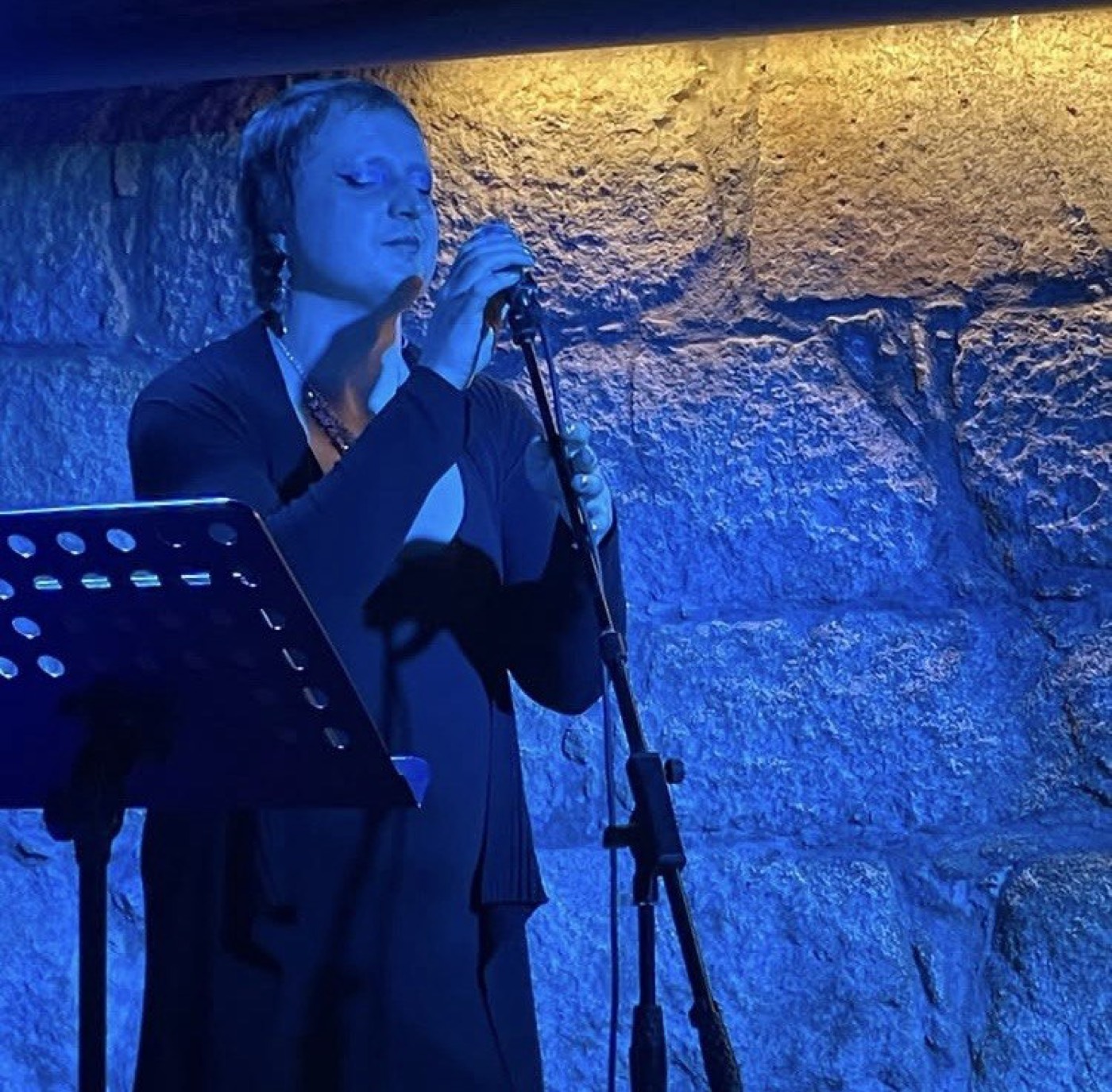
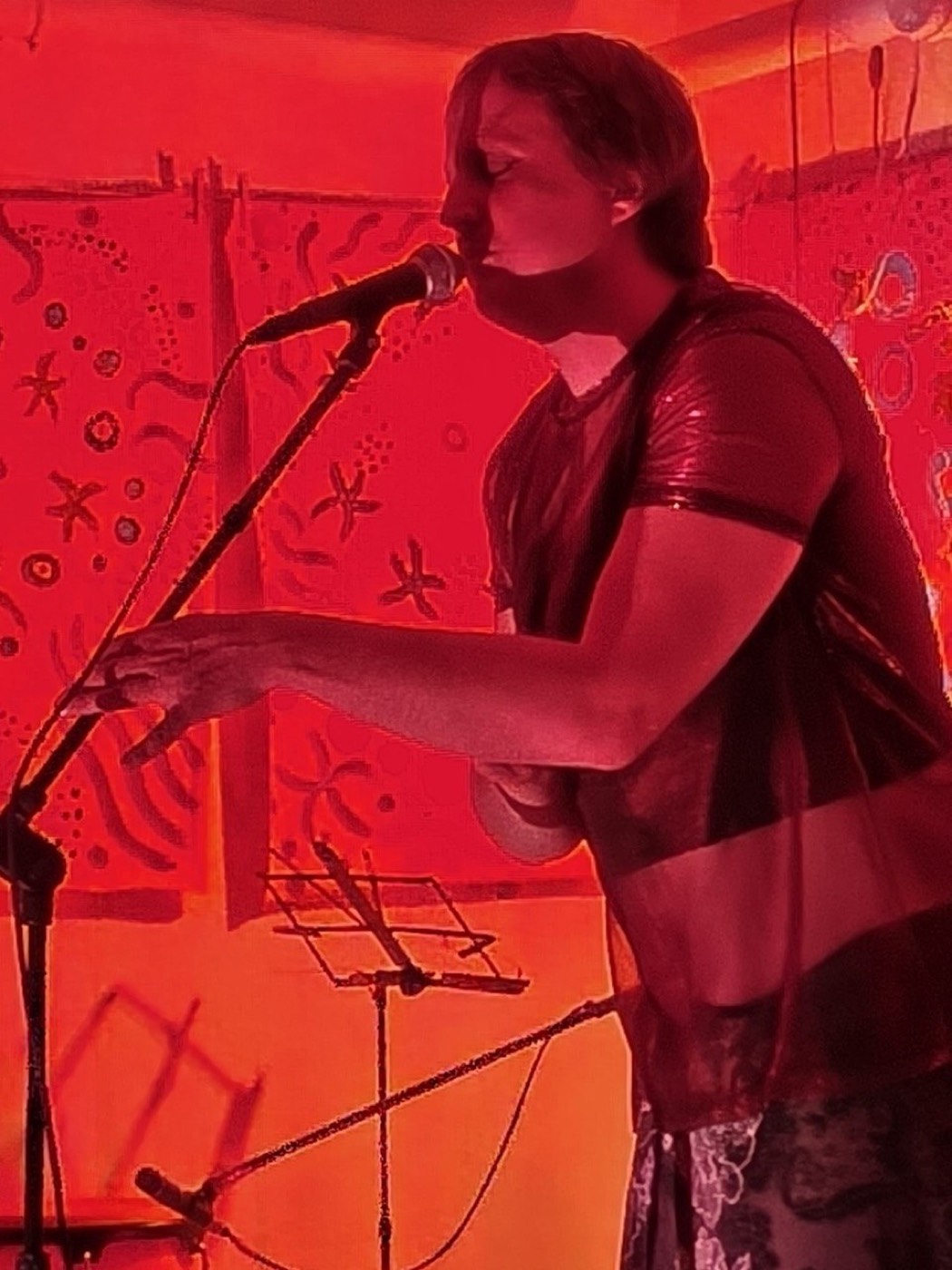
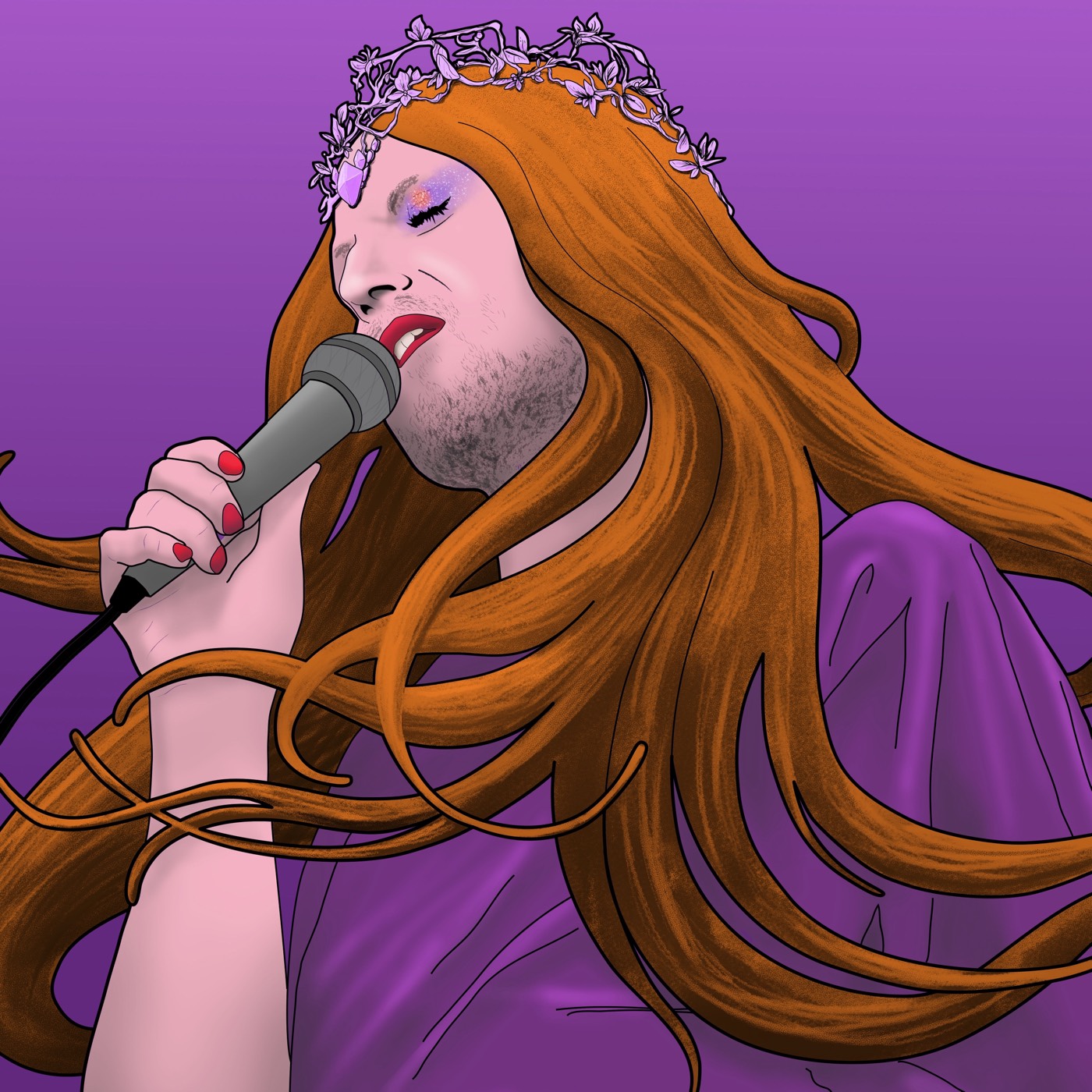
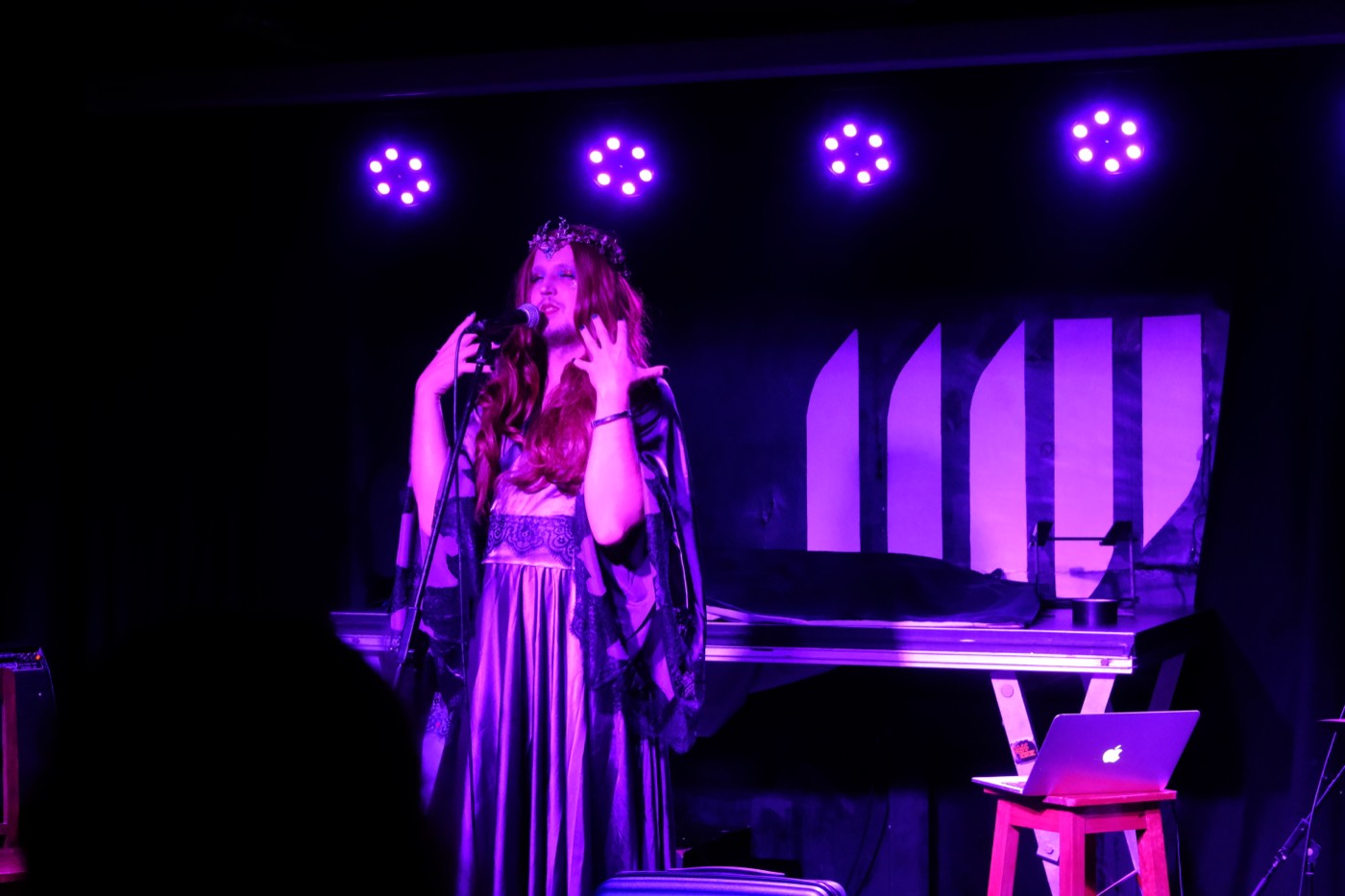
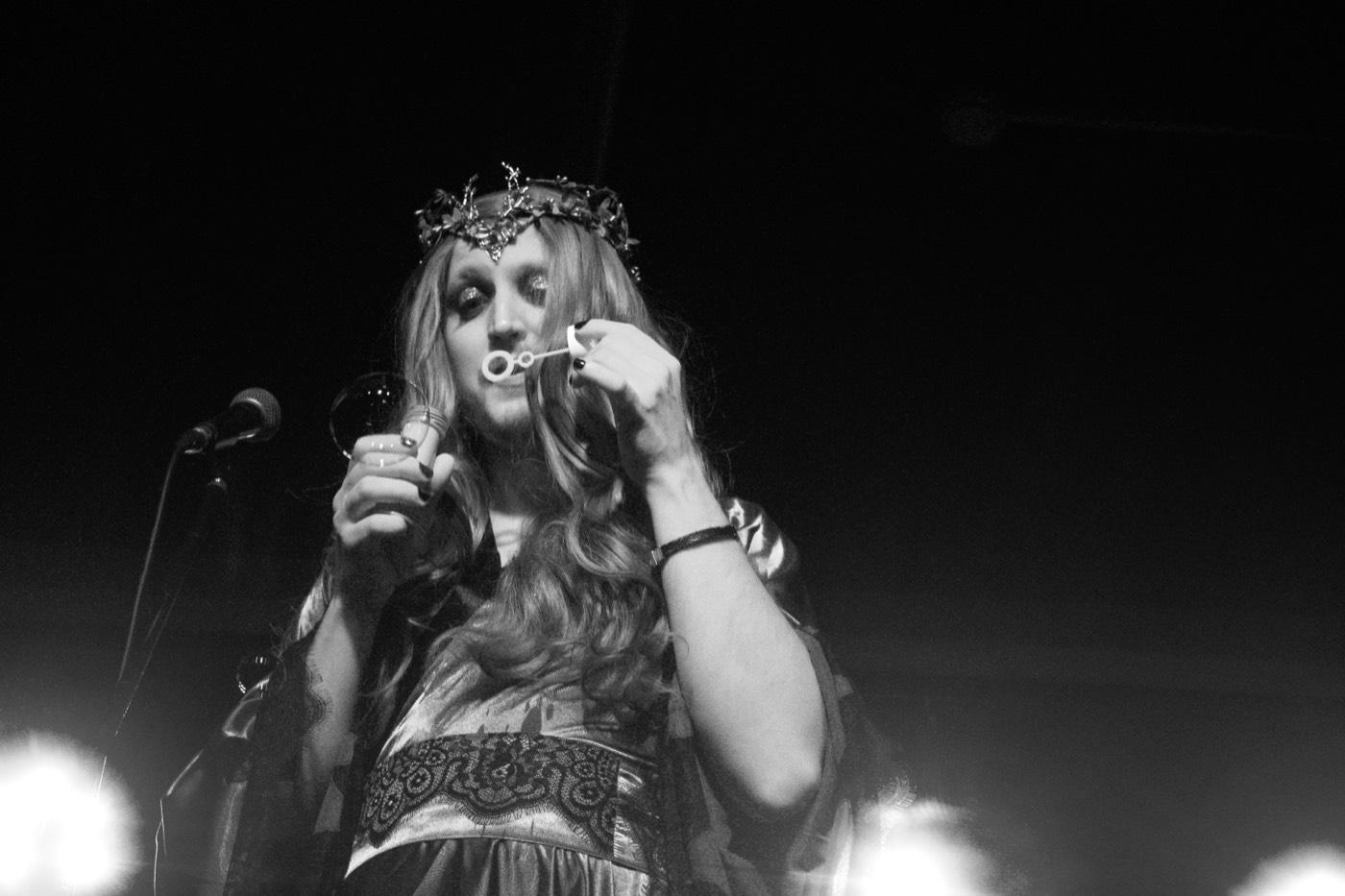
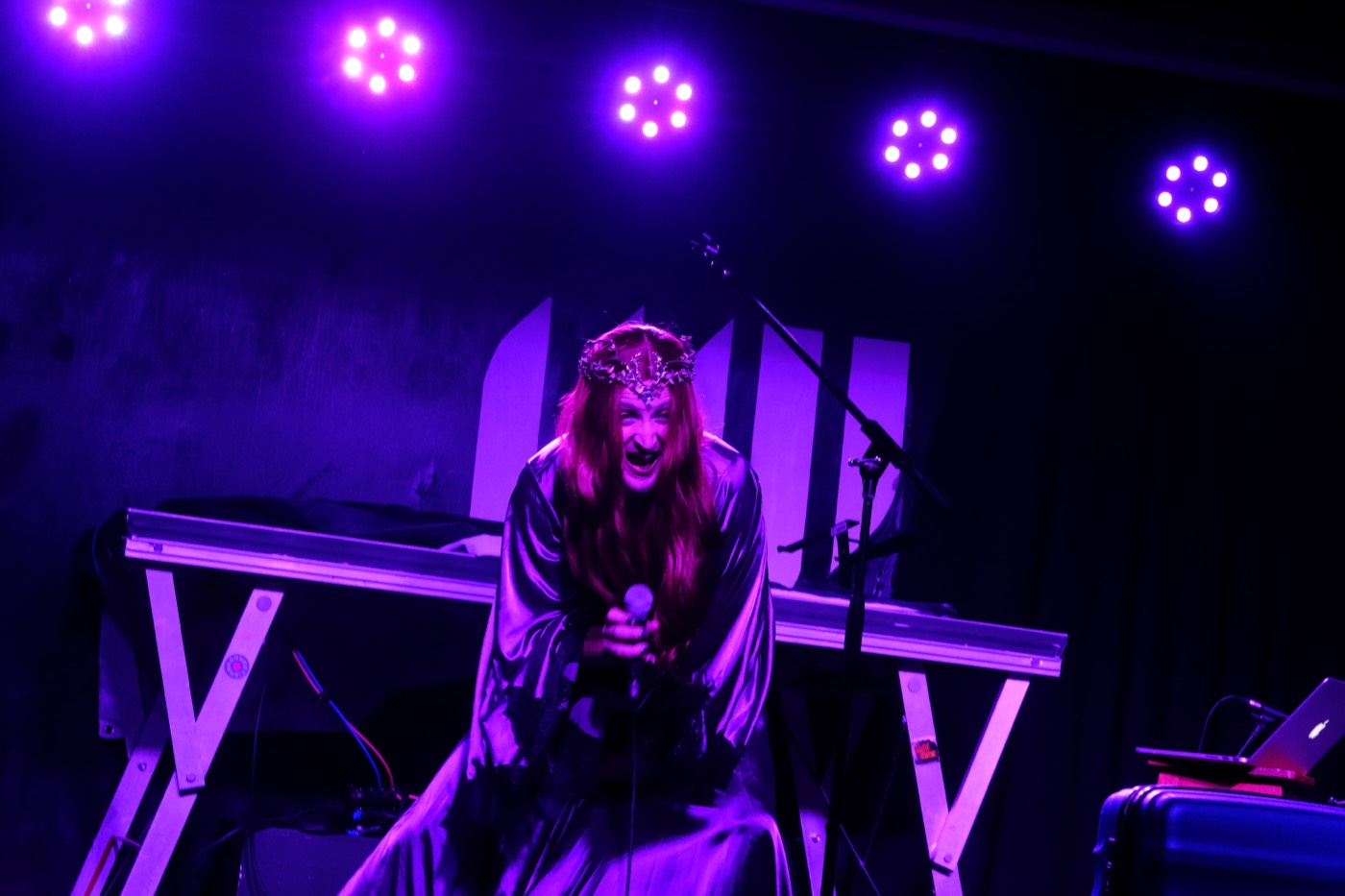
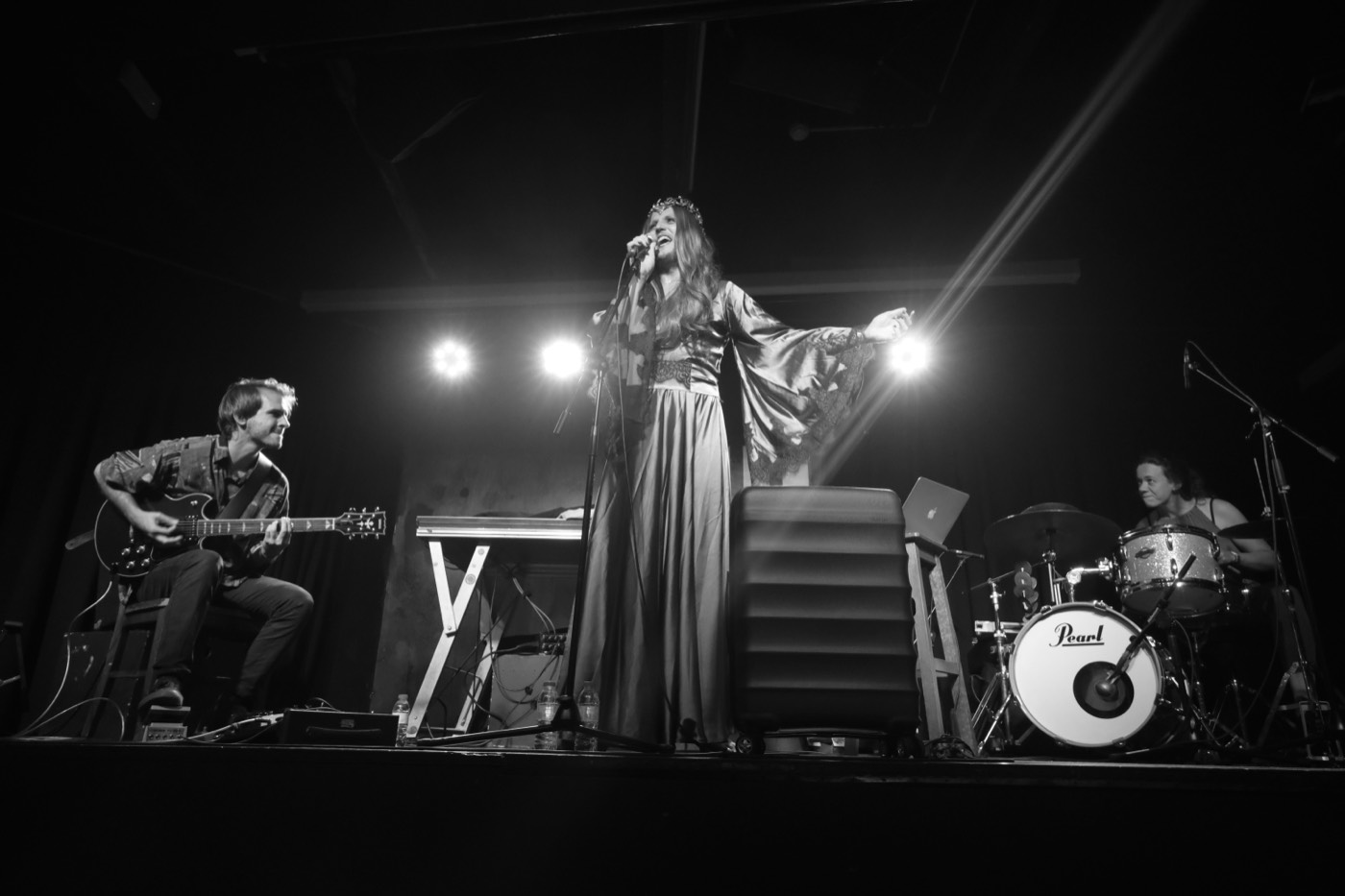
Pussy LeBouton is the name I write and perform under — a queer singer-songwriter, originally from Poland and now based in Porto. My music is a blend of jazz, sung poetry, electronica and folk; my songs speak of unspoken desire, the sacred in-between, and forgotten wilderness. The songwriting is confessional, taking on queer repression, non-binary love, and the deconstruction of religious guilt and shame.
I’ve recorded two EPs — one in collaboration with an experimental electronic artist from Poland — and released several singles, all available on the main streaming platforms. As Pussy LeBouton I’ve performed at Maus Hábitos in Porto, at the closing of the Porto Queer Film Festival.
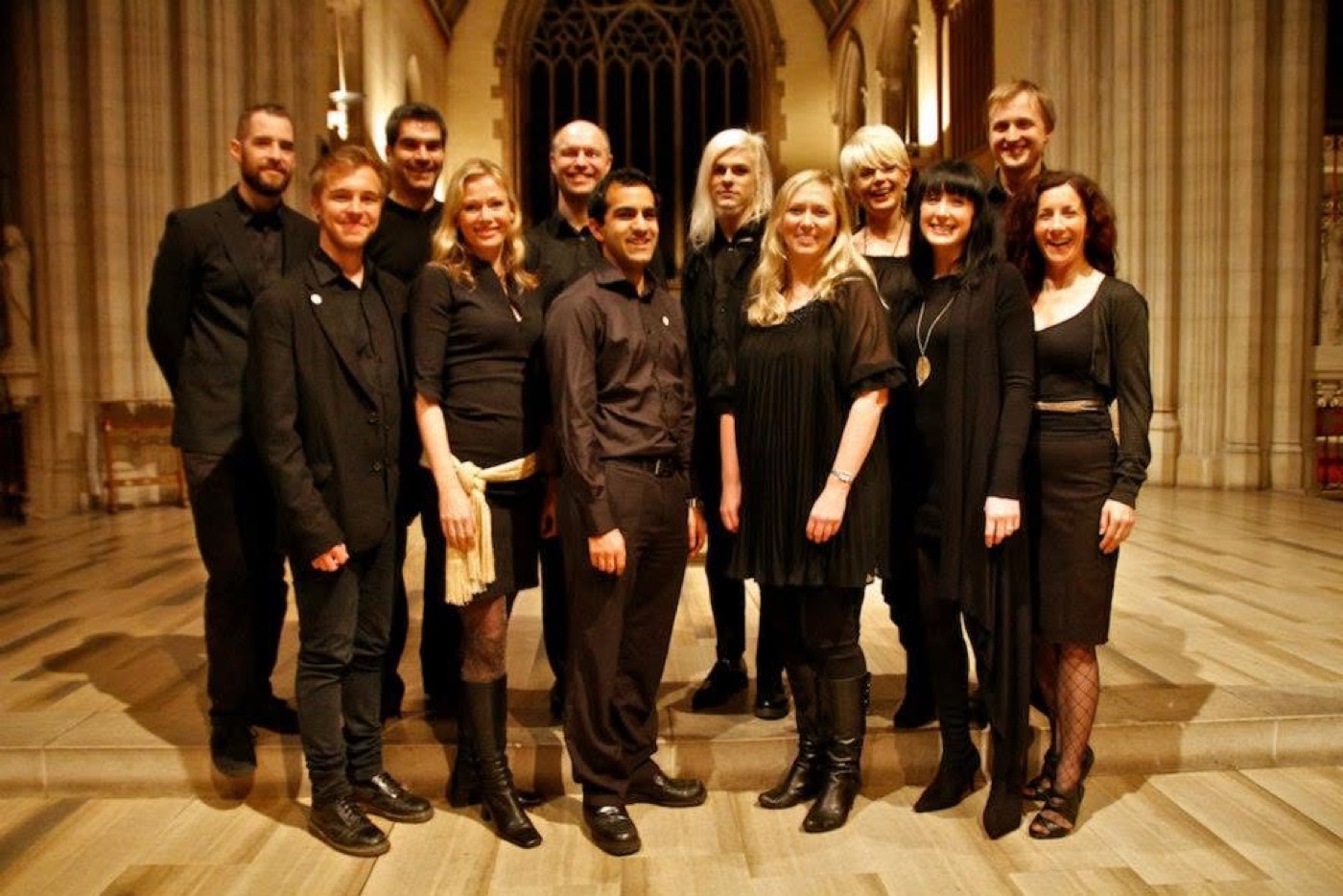
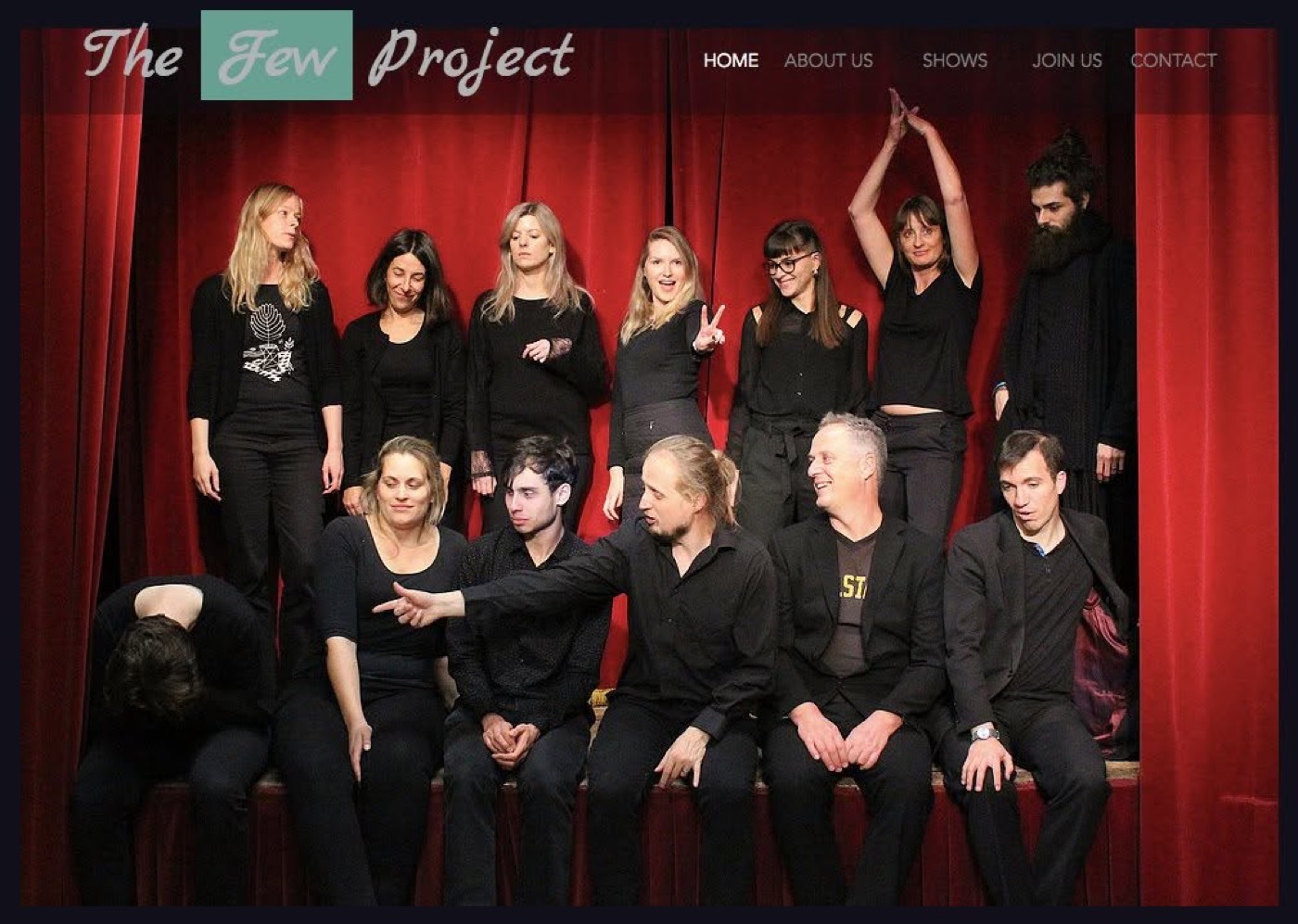
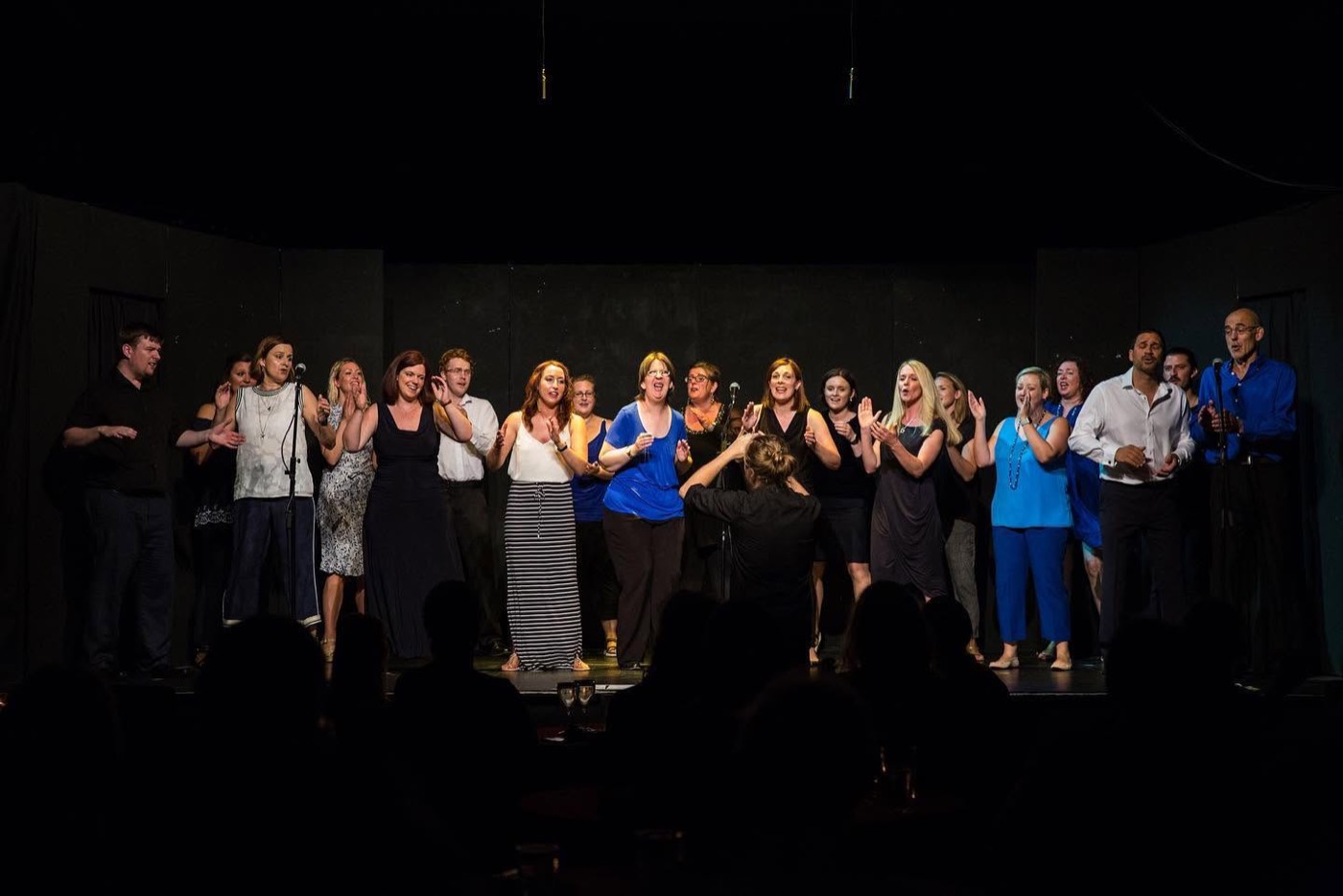
The Few A cappella vocal groupFounder & musical director · London, 2006–2019
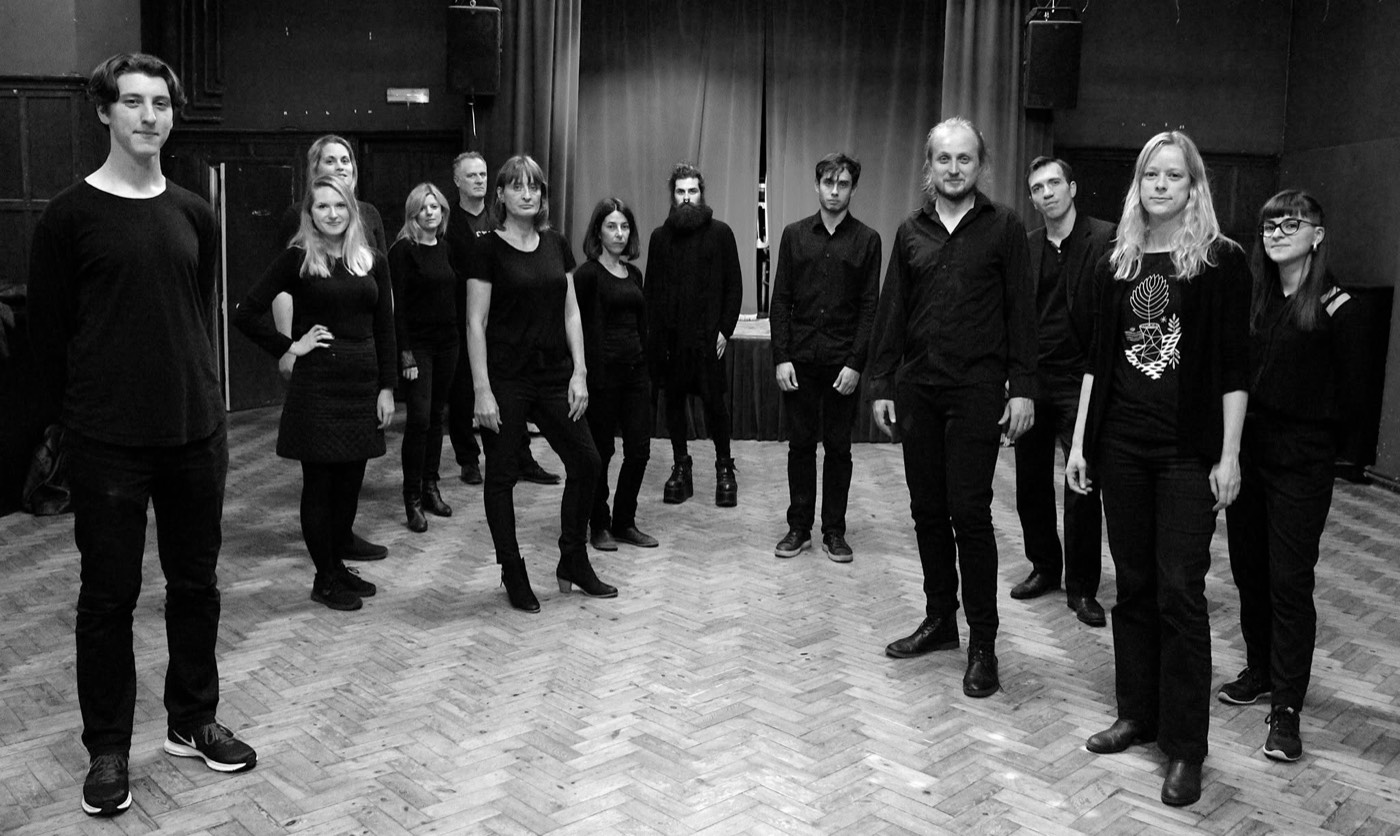
The Few was an a cappella vocal group I formed in 2006, soon after moving to London from Poland. I’d been studying music for a while, and the first thing I wrote for it was an arrangement of Joni Mitchell’s “Blue.” It started as four of us and grew through weekly Monday rehearsals, the line-up filled by audition — people who answered online ads, or found us by word of mouth. Over the years we sang at the Royal Festival Hall, the Barbican, Tristan Bates Theatre, The Water Rats and Trafalgar Square, among other places.
Between 2006 and 2019 I wrote around thirty original arrangements for the group, from three to eleven parts — tunes by everyone from Joni to Britney and Massive Attack to MGMT.
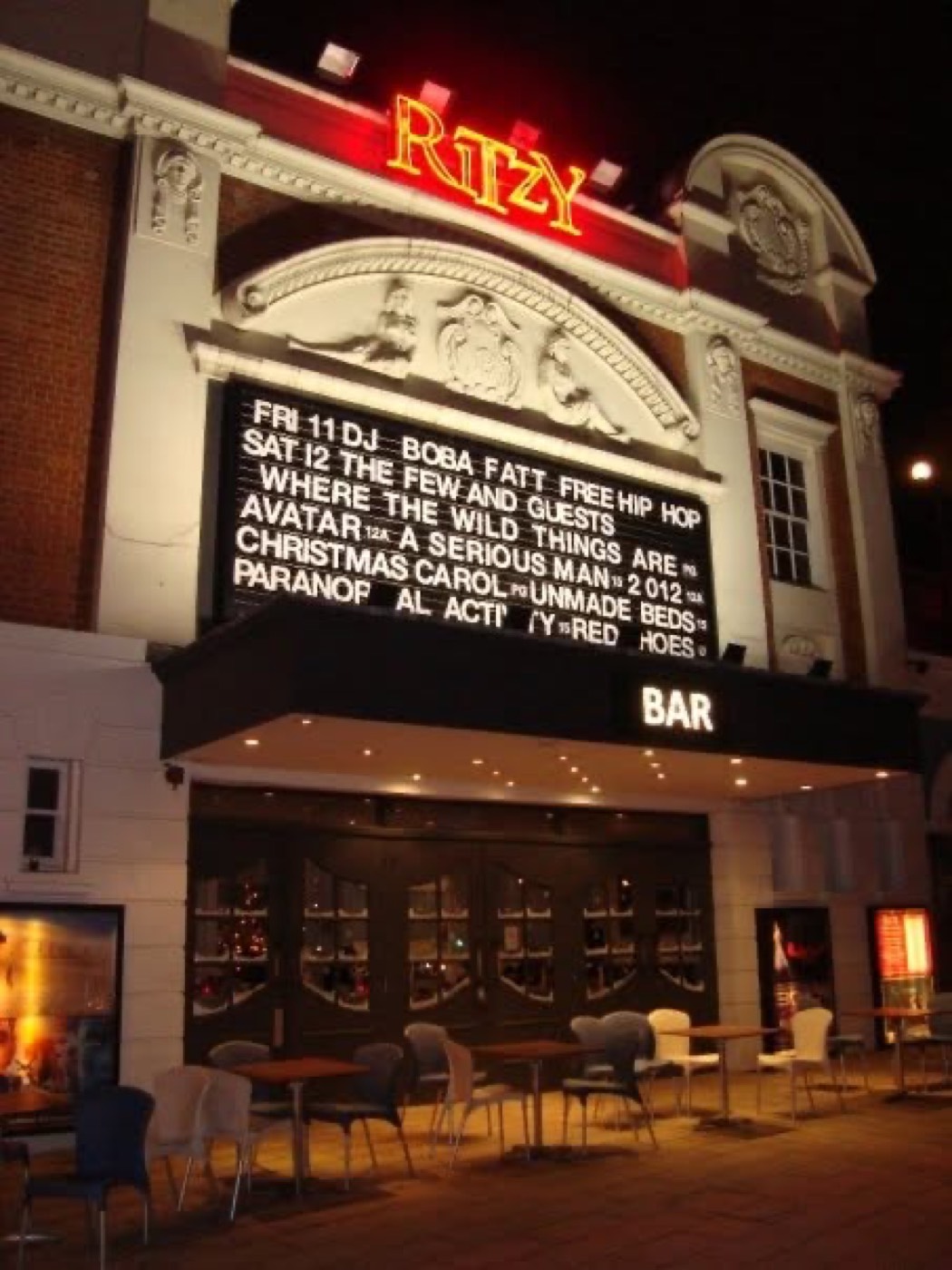
One of the most memorable concerts we did was at The Ritzy in Brixton. It was our first performance of “I’ll be Seeing You”, which was close to when Mission Control played the song as a final goodbye on February 13, 2019, when the Mars Opportunity rover’s mission ended.
KT6 A cappella vocal groupMusical director & arranger · London, 2016–2020
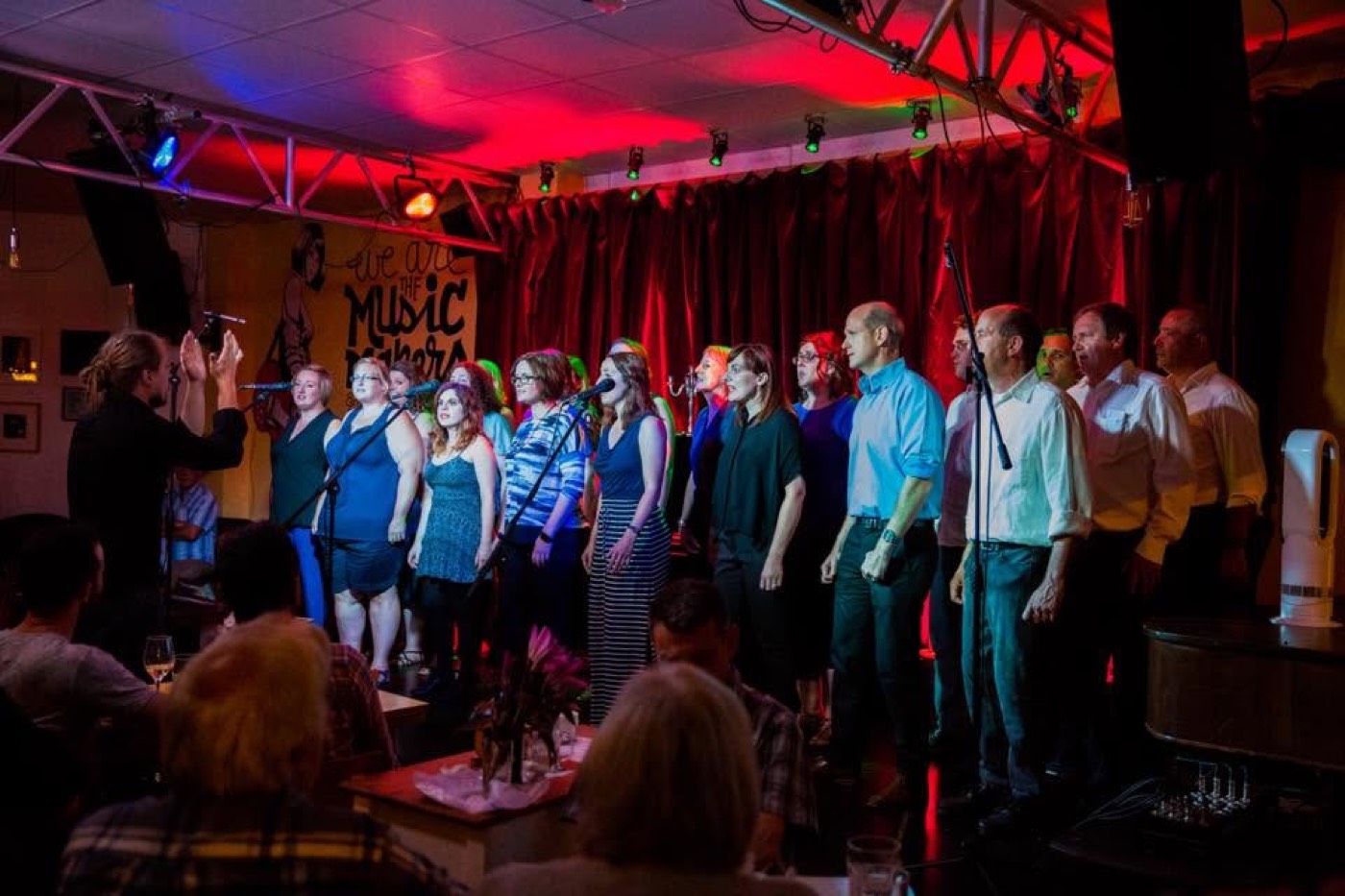
KT6 was an a cappella vocal group formed in 2016, where I was musical director and arranger until 2020, when I moved to Portugal at the beginning of the pandemic. The group described itself like this: “We are an a cappella vocal group formed of passionate and fun-loving amateur singers who bring familiar favourites to life with just our voices. From contemporary pop-hits to folk-song, our harmonies create a sound that we hope is both inspiring and memorable.”
The group was formed from people without any formal musical education, and they succeeded in singing close harmonies and odd time signatures, became a great team, and developed a profound musical sensitivity. A memorable concert was at the CornerHOUSE in Surbiton, choreographed by a theatre director — a family member of one of the singers.
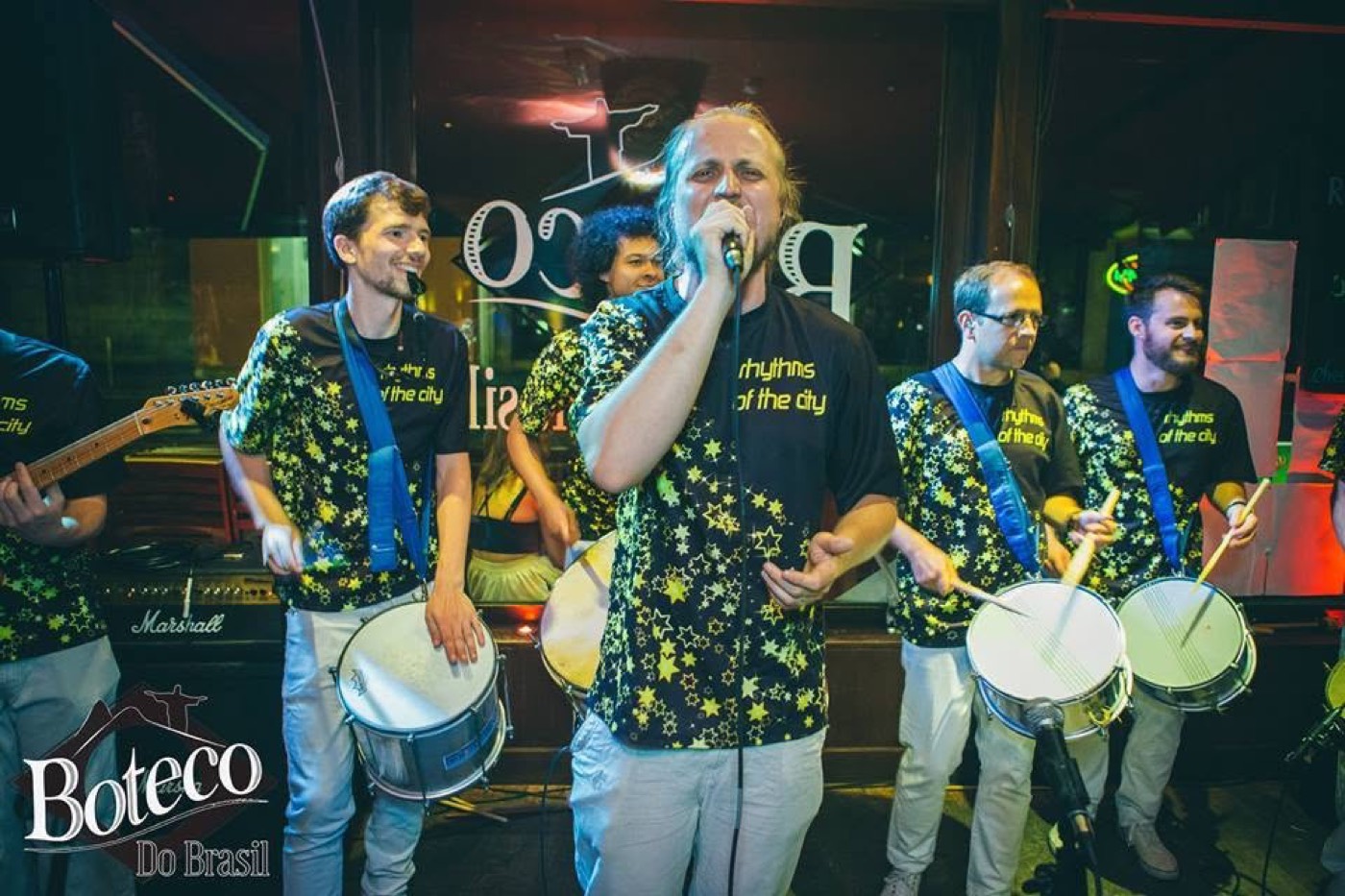
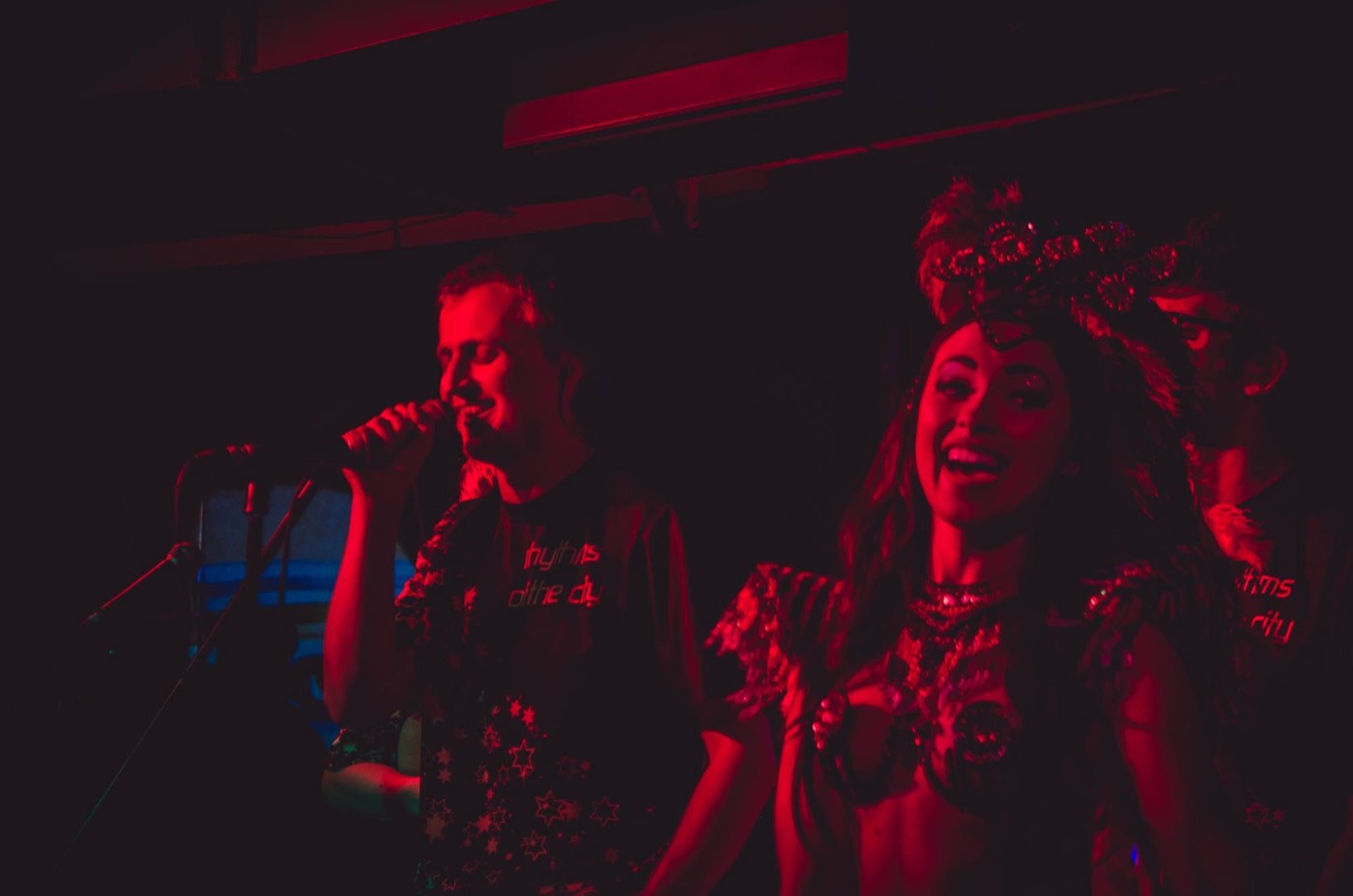
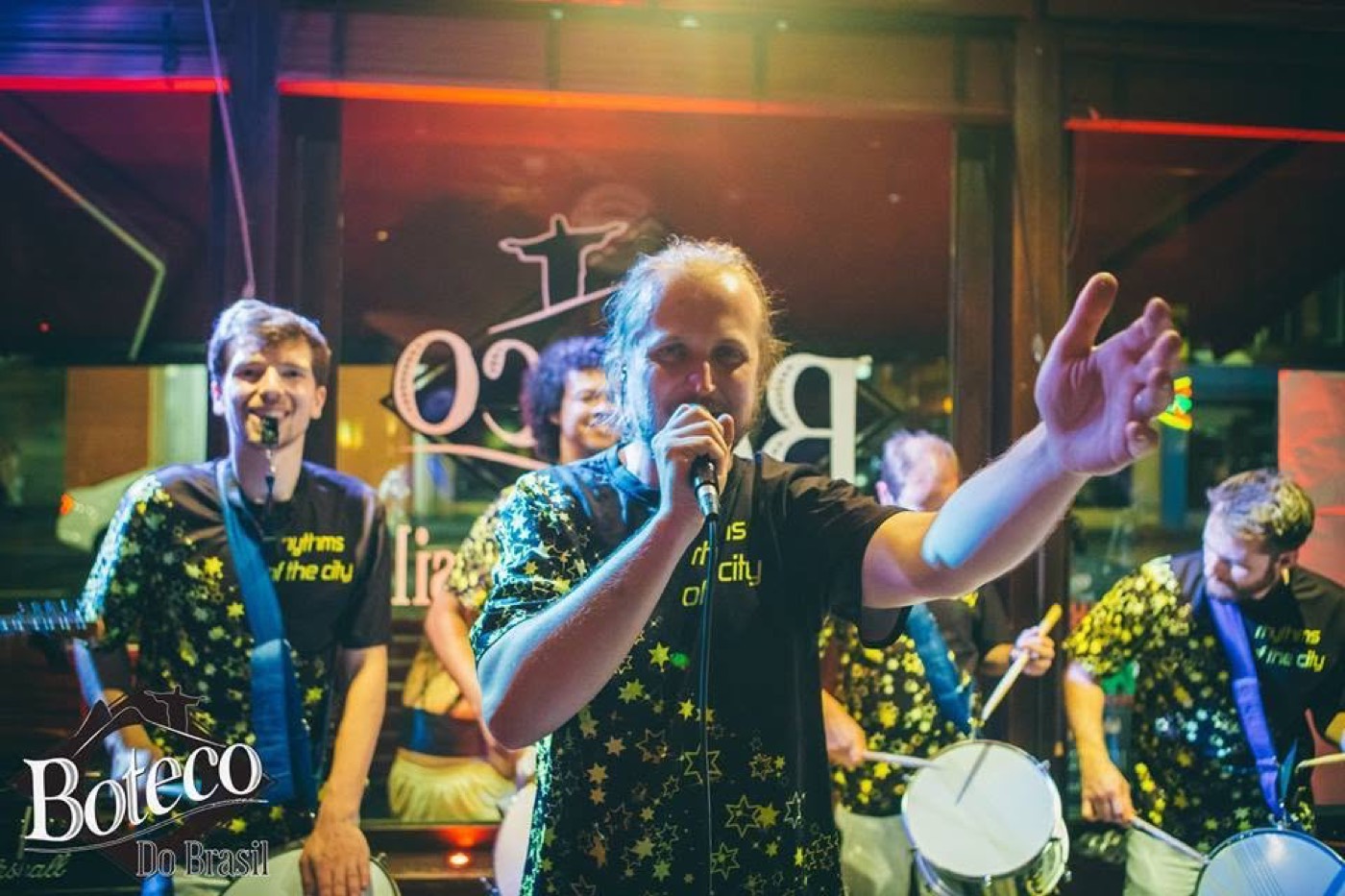
Rhythms of the City Samba & percussion bandLead vocalist, percussionist & touring assistant · London, 2013–2019
I heard about Rhythms of the City from my teacher at Trinity Laban, where I was doing a vocal jazz degree, and played in the band from 2013 to 2019. It was a large London samba and percussion group — drummers, singers, dancers, horns and guitars, sometimes dozens of us on stage at once — and the repertoire went well beyond carnival samba into salsa, soca, reggae, funk and hip-hop. In those years we played carnivals, festivals and clubs around the UK and Europe, from Notting Hill and Glastonbury to the Barbican and the Southbank Centre. During that time I learned to play agogô, chocalho, caixa, surdo and repinique, sang lead on much of the repertoire, and gained hands-on experience of a range of Afro-Brazilian and Latin-American styles. For four years I was also the band’s touring assistant, helping to organise the concerts and the group.
One amazing memory was coordinating a band trip to the Coburg Samba Festival in Germany — hundreds of bands, twelve stages, three days of music. I played and sang my heart out, and connected with many people in a wonderful way.
Teaching Singing and musicianshipSince 2006
I have been giving singing and musicianship lessons to individual students and groups since 2006, when I was still living in Poland, and have gone on teaching privately and in institutions across London and Porto ever since. For nine years I taught at the City Literary Institute in London — rock, pop and soul singing, jazz improvisation, musicianship, harmony and sight-singing — working with adult learners of every level, from complete beginners to advanced. I also spent time at the Spotlites Theatre School as a vocal teacher for young musical-theatre students.
It has been a pleasure and a privilege to see people’s voices develop — in one case, to watch a student go from being unable to replicate a sung pitch to becoming a fluent sight-singer over the course of a few years.
Background
I trained in jazz voice and composition — first at the Wrocław School of Jazz and Pop Music in Poland, then at Trinity Laban Conservatoire in London.
Alongside the groups above, I’ve sung in many other ensembles over the years: jazz quartets and vocal groups around Richmond and central London, and gospel, synagogue, classical and contemporary choirs — most recently the Fourth Choir. I also led an interdisciplinary project, Blues Everywhere, exploring the personal narrative of the blues through improvisation, for singers, saxophone, bass, drums and harp; and I gave a TEDx talk on why almost no one is really “unable to sing.”
Alongside Tonebank and The Feel Book I’ve built other tools for musicians: an audio-analysis tool for a performing arts organisation, and before that a year at Anytune building the watchOS version of their practice app in SwiftUI. Earlier, I built the original Tonebank prototype in p5.js and Ruby on Rails. Most of my plugin work is C++ and JUCE.
A fuller CV is available on request.